Harvard University
Neurobiology
Harvard researchers are exploring the complexities of the brain and the nervous system, and uncovering ways to treat and prevent diseases like dementia, multiple sclerosis, and ALS.
Supporting research
Harvard recently announced an investment of $150 million—one of the largest direct investments in faculty research in Harvard’s history—to support the advancement of promising areas of scientific research.
Learn more about the investment
Demystifying the migraine
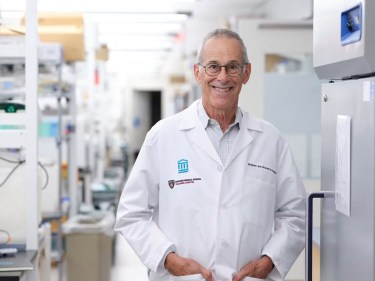
Michael Moskowitz, Harvard Medical School professor of neurology, has made multiple discoveries that have revolutionized thinking about migraines, deepened knowledge about why some treatments work, and led to new treatments that are available and prescribed now.
Uncovering Epstein-Barr’s connection to multiple sclerosis
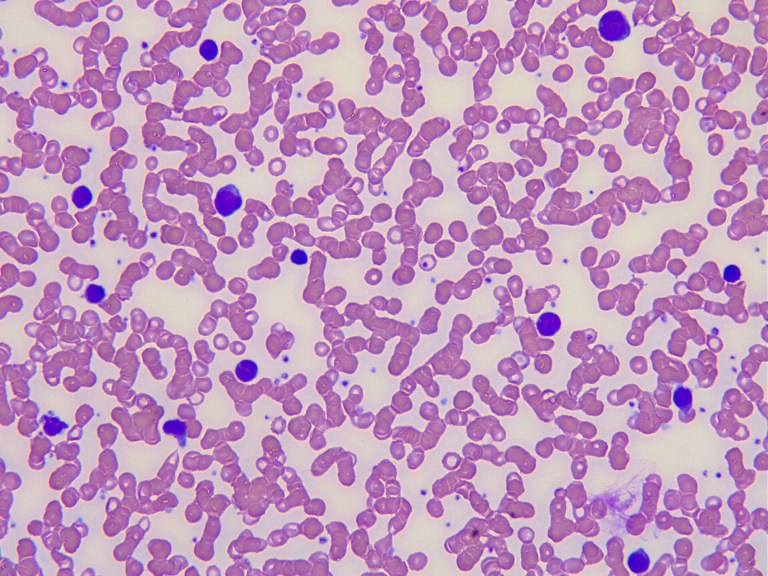
Harvard researchers published a landmark study confirming the Epstein-Barr virus as the leading cause of multiple sclerosis, and found that healthy diets in midlife may benefit long-term cognitive health.
Reversing the course of ALS
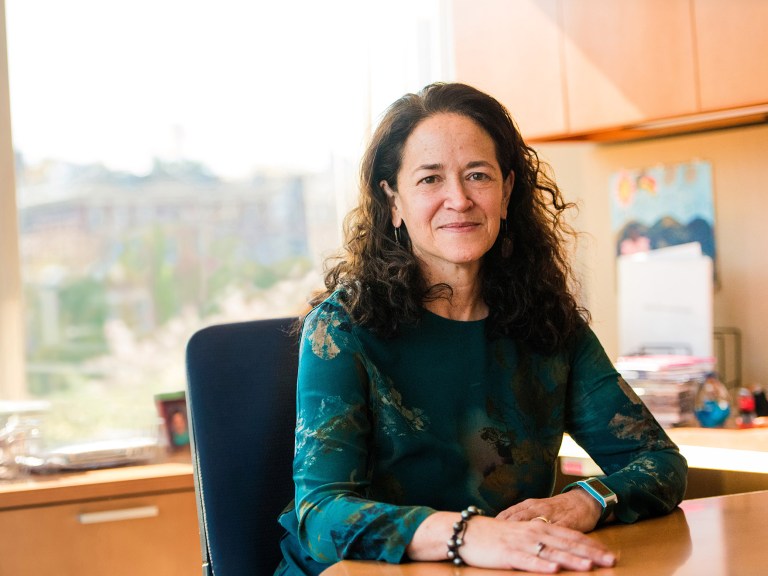
Merit Cudkowicz, a Harvard Medical School professor of neurology, co-authored a paper on a new drug that can radically slow and even reverse the course of the disease in a small subset of patients with a rare genetic variant.
Our nervous system experts
Emery Brown
As a Harvard Medical School professor, Emery is exploring what anesthesia does to the brain to render a person unconscious.
Michael Greenberg
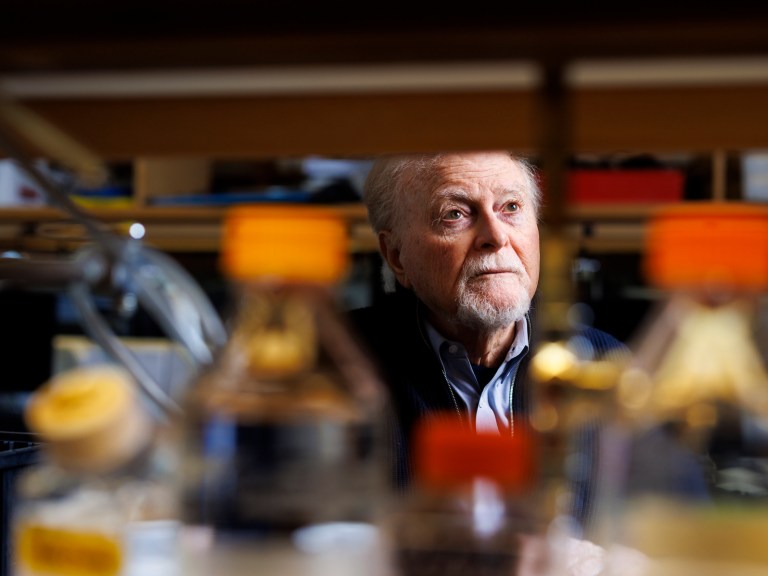
Michael won the 2023 Brain Prize for his lifelong research looking into the brain’s ability to change, adapt, and learn over time.
Katharina Meyer
At Harvard’s Wyss Institute, Katharina is using brain organoids, a small tissue culture that mimics the functions of a real brain, to better understand bipolar disorder.
Dementia and Alzheimer’s
Recent findings are demystifying Alzheimer's disease
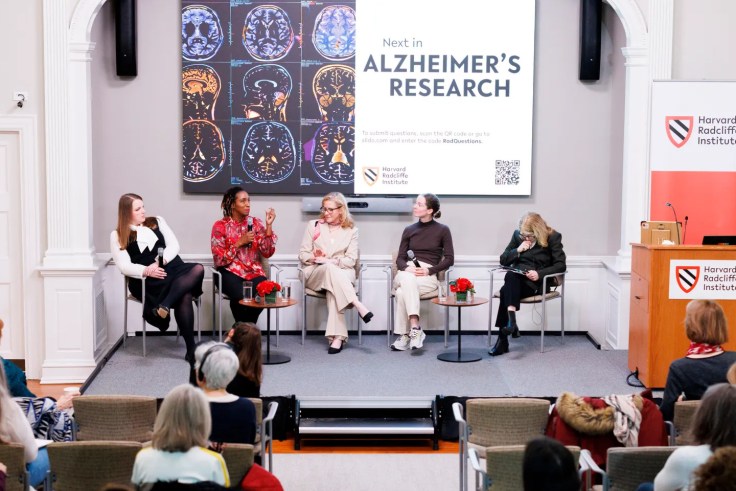
Radcliffe Institute for Advanced Study’s Next in Science series brought experts together to discuss current Alzheimer’s research and explore potential breakthroughs in the future.
Recent findings are demystifying Alzheimer's diseaseEnvironmental exposures are associated with Alzheimer’s disease and dementia
Approaching Alzheimer’s from three different angles
Optimism may lower the risk of developing dementia
A common sleep drug may be linked to an increased dementia risk
How the nervous system works
How we perceive what’s happening inside our bodies
Interoception, the perception of internal signals from the body, could be implicated in anxiety, addiction, eating disorders, and chronic pain. Learn more about interoception.
Why digestion is so connected to the brain
The gut’s enteric nervous system is constantly influencing our mood, our wants, and our needs. Learn more about those gut feelings.
How the brain and the heart are connected
Thoughts and emotions can affect heart health, and what happens to the heart, likewise, can influence the health of the brain. Learn more about the connections.
Why smell and memory are so strongly linked
Smell signals get sent to areas of the brain involved in generating emotions and storing and organizing memories. Learn more about the sense of smell.
Inside the brain
Harvard scientists are finding answers to some of the deepest questions about the brain, including how memories form, what neurons in the brain “want,” and what happens when we daydream.
Explore Harvard’s work creating the first complete map of a fruit fly brain
Autism and ADHD
Taking a fresh look at the definition of autism
Ari Ne’eman, assistant professor of health policy and management at the T.H. Chan School of Public Health, says that creating a high-needs autism category risks a return to segregation and neglect—though other subdivisions may make more sense.
Taking a fresh look at the definition of autismUnderstanding how ADHD diagnoses can go wrong
A Harvard study found a spike in ADHD diagnoses on Halloween, highlighting the stakes of cognitive bias in medicine.
Funding foundational autism research
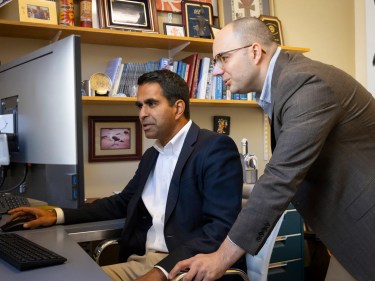
Harvard and Yale researchers were awarded $46 million to map how the brain develops to understand the divergences that occur in children with autism.
Ensuring proper dosage on attention medication
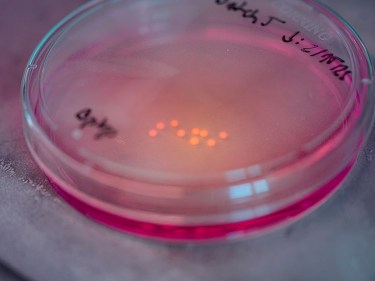
Patients taking a high dose of a prescription amphetamine face more than a five-fold increased risk for developing psychosis or mania, according to Harvard research.

Protecting patients from unnecessary harm
Harvard experts say there is mounting evidence that applied behavior analysis (ABA), a type of therapy for children with autism, is frequently ineffective and often harmful.

Advancing support and exploring new strategies
Novel treatments
Harvard experts are advancing exciting new treatments for neurological disorders, including an engineered probiotic to treat multiple sclerosis, creating wearable robotics to help people with Parkinson’s walk without freezing, and finding safe and effective ways to deliver medication into the brain.
Psychedelics
Findings around using psychedelic drugs like ketamine to help mental health disorders is promising, but Harvard experts highlight the importance of more research and the need for safety standards.
Mindfulness
Research on meditation and mindfulness have shown that it can be helpful for relieving stress, dealing with anxiety, countering burnout, processing fear, and even alleviating chronic pain.
You may also like