Harvard University
Informed Aging
Harvard researchers and scholars are exploring the physical, societal, and spiritual aspects of growing older.
A longer, better life
As longevity research advances, Harvard scientists are working to not only improve the amount of years we live, but how healthy we can be throughout them.
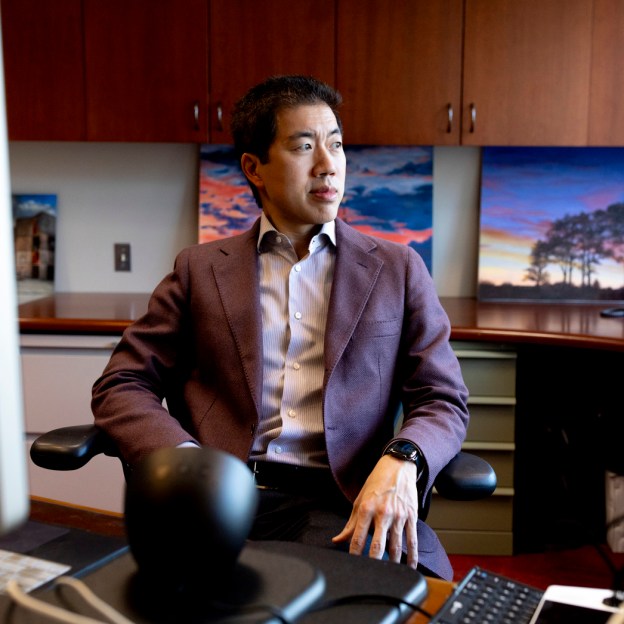
There's research to try to understand heart disease, osteoporosis—all things that happen in the aging population. But the main risk factor is aging.”Maria Perez-Matos
Ph.D. graduate from the Mair Laboratory at Harvard’s T.H. Chan School of Public Health
![]()
Rethinking aging
More adults are extending their lives free from age-related illness or cognitive decline.
The importance of connections
Social connection can play an important role in improving the wellbeing of aging people and communities.
Transforming elder care
Through research and technology, Harvard Innovation Labs’ ventures are reimagining how older adults live, heal, and stay connected.
Understanding aging
Harvard experts are exploring how we can care for our brains, continue to find purpose, and ensure that aging populations aren’t overlooked.
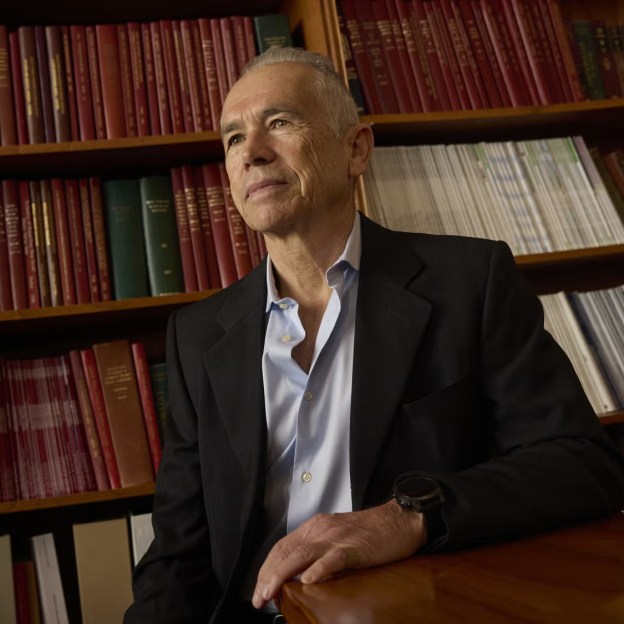
Keeping your brain healthy is about creating neural connections and making them stronger so that they don’t deteriorate.”Ezekiel J. Emanuel
Harvard alum and author of the book “Eat Your Ice Cream: Six Simple Rules for a Long and Healthy Life.”
![]()
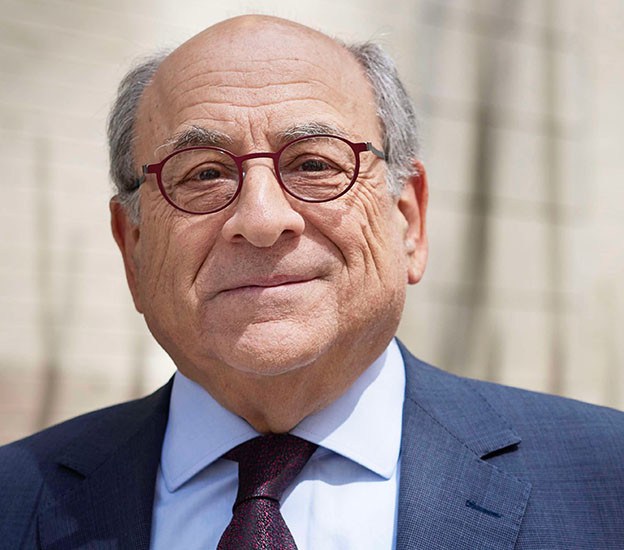
Expand home- and community-based services so that indigent, chronically ill, disabled, and older adults can avoid institutionalization.”Margaret Morganroth Gullette
Harvard alum and author of the book “American Eldercide: How It Happened, How to Prevent It”
![]()
There is an agency that accompanies their aging, rather than the stereotype of decline that we often succumb to when discussing artists in older age.”Alex Braslavsky
Author of the Harvard Horizons project, “Embracing Twilight: Older Women Poets and the Unfurling of Their Voices,”
![]()
To your health
Harvard researchers are exploring the ways that small changes can impact our long-term health.
A multivitamin a day could keep unhealthy years away
Harvard researchers report that taking a multivitamin daily for at least two years may slow biological aging.
Through expanded classroom and clinical instruction, students are gaining deeper exposure to the dental care needs of older adult patients.
A variety of interventions, ranging from drug therapies to behavioral changes, may help humans live healthier lives as they age.
In a review of 33 studies, researchers found that this mind-body practice boosts walking speed and other capabilities.
Staying sharp
Harvard’s Center for Brain/Mind Medicine highlights how anyone can improve their brain’s resilience to neurologic diseases by attending to lifestyle factors that promote brain health.
Exploring why some remain sharp even as the decades roll by
Researchers at Harvard Medical School and Massachusetts General Hospital are hot on the trail of elderly “super-agers”—whose sharp memories avoid typical age-related declines—in an attempt to study whether there are interventions that can improve prospects for the rest of us.
Exploring why some remain sharp even as the decades roll by- Exercise
The optimal dose of exercise for cognitive performance
- Food
The Green-Mediterranean diet may slow brain aging
- Medication
Lithium depletion is one of the earliest changes in Alzheimer’s disease
- Safety
Falls put older adults at an increased risk of Alzheimer’s
- Mood
Optimism may lower the risk of developing dementia
Thinking through retirement
Harvard experts are exploring the evolving financial, technological, and mental aspects of this huge life change.
Anxious about retirement savings? Avoid these mistakes.
Can ChatGPT plan your retirement?
We're living longer so that just means we work longer, right?
How 401(k) plans exacerbate inequality and what we can do about it
Retirement blues: Taking it too easy can be hard on you
Finding a safe place to live
Harvard scholars are exploring how housing can impact the physical and mental health of older adults, and can affect the wider community.
Explore research on aging by the Joint Center for Housing Studies
States must step up to protect nursing home residents
With a federal minimum staffing standard removed and other protections under threat, states need to prevent unsafe and understaffed facilities.
A cultural shift toward living together
In an era of growing social isolation, rising housing costs, and uneven access to care, multigenerational living offers a promising solution.
A housing and care shortage is coming
As the U.S. population ages, millions of older adults will struggle to afford either the home of their choice or the care they need.
Caring, coping, and addressing mortality
Whether it’s deciding to talk about death and dying or finding meaning and comfort with or without religion, the last stage of life can be filled with unknowns. Harvard experts are exploring what end-of-life care is, and what it could be.
Learn how a chaplain, a bioethicist, and a doctor talk about end-of-life care
YOU MAY ALSO LIKE