Harvard University
Our global community
-
-
20+ locations abroad
link Harvard faculty and students to local scholars, businesses, and communities.
-
26.3 million learners
from all across the globe have enrolled in courses on Harvard Online.
-
80+ languages
are taught at Harvard, including Tamil, Catalan, Yoruba, and Old Church Slavonic.
Africa
The Harvard community’s impact in Africa can be seen in the work of the Africa Research Center, the Harvard Malaria Initiative, the Harvard University Center for African Studies, and the Motsepe Presidential Research Accelerator Fund for Africa.
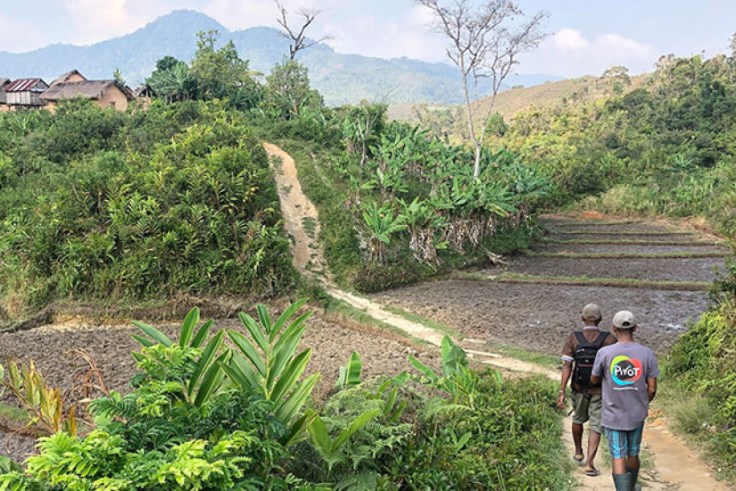
Delivering care in Madagascar
Researchers from Harvard Medical School and the Ministry of Public Health of Madagascar created a model health system that provides universal access to basic health care to the region’s 200,000 residents.
Delivering care in MadagascarDesigning solutions in Mozambique
Design Engineering graduates from Harvard traveled to Mozambique to explore one of the most effective drought response systems.
Fostering growth in Africa's economy
Research from Harvard Business School shows how fintech firms could help create more than a million jobs in Africa.
Creating healthcare infrastructure across Africa
Harvard Kennedy School alum Akonkwa Mubagwa’s venture, Winko Solar, is building solar energy systems that power healthcare infrastructure across the continent.
Helping coastal Africa with climate changes
Harvard’s Salata Institute examined what interventions remain possible as coastal populations face a rapidly advancing sea.
Worldwide work
The Harvard Global Health Institute facilitates collaboration across the Harvard community and partners worldwide to advance global health equity.
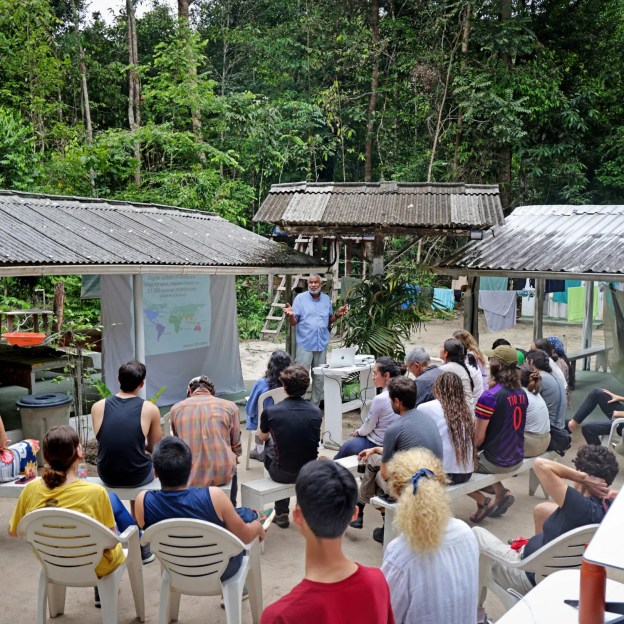
I hope in the end everyone goes back to Harvard, or goes back to their homes in Brazil, transformed but above all inspired to continue their work.”Marcia Castro
Chair of the Brazil Studies Program

Worldwide work
Harvard’s Growth Lab helps explain the economic dynamics and new growth opportunities for every country.
Worldwide work
Digital Access To Scholarship at Harvard is an open-access repository with more than 72,500 scholarly works from Harvard researchers that is accessible to the public.
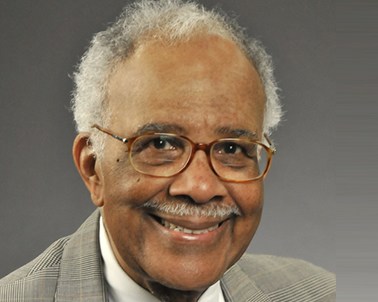
A mountain of a man
Chester Pierce, a professor of psychiatry and a professor of education at Harvard, is the namesake of Antarctica’s Pierce Peak, in tribute to his work studying the behavioral effects of extreme environments.
Worldwide work
Harvard’s Global Education Innovation Initiative is a multi-country research-policy-practice collaborative examining effective education in the 21st century for all students, including marginalized youth.
Asia
From the cross-cultural studies at Harvard’s Asia Center and the Lakshmi Mittal and Family South Asia Institute to the comprehensive East Asian collections of the Harvard Yenching Library and research from the Middle East Initiative, the Harvard community has a wealth of resources to help scholars explore and celebrate Asia.
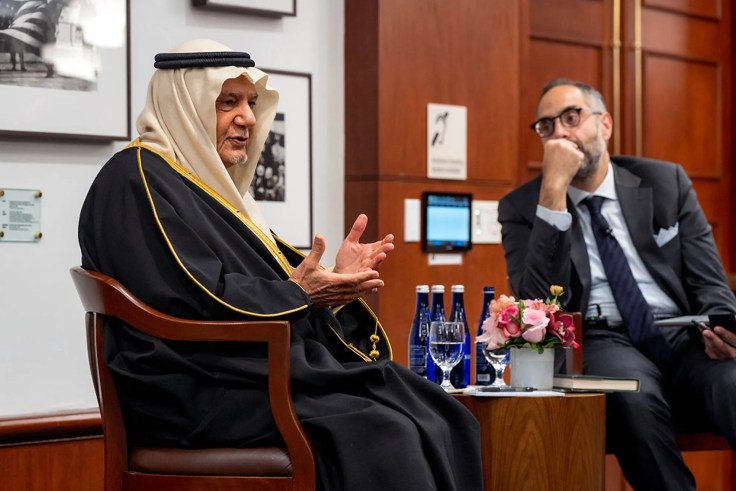
Middle East Dialogues
Harvard Professor Tarek Masoud created the Middle East Dialogues series to have incisive conversations with guests representing very different perspectives on the Israel-Gaza crisis, and to provide students with opportunities to see difficult but civil conversations in action.
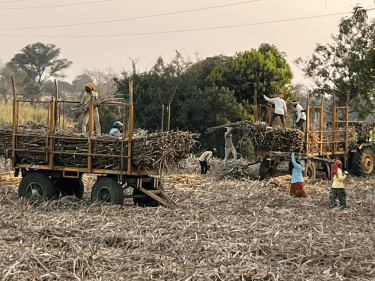
Middle East DialoguesProtecting workers in India
Harvard Kennedy School researchers are examining how climate change, debt, and gender norms are harming female sugarcane cutters.
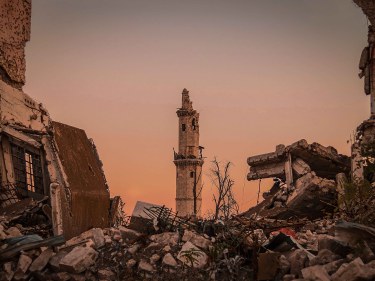
Helping Syria navigate change
After the fall of Bashar al-Assad’s destructive regime, Harvard created the Syria Transition Lab to help Syrians navigate the opportunities and challenges ahead.
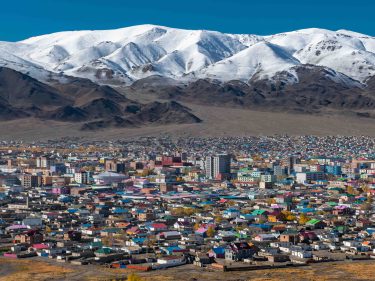
Supporting health in Mongolia
As a physician and public health professional, Harvard alum Khongorzul Altangerel is supporting health care centers and addressing system-level challenges in Mongolia.
Solving issues in Bangladesh
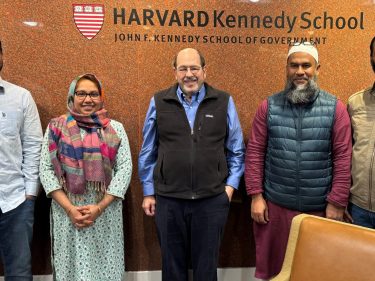
Fellows from the Bangladesh spent a month at Harvard Kennedy School to develop trainings on public policy issues for future civil servants in Bangladesh.
Worldwide work
Harvard’s Center for Climate, Health, and the Global Environment is seeking climate solutions that can provide for a healthier and more just world today and a livable future for tomorrow.
Worldwide work
SMILE-Bridge: Strategic Multinational Initiative for Leading Equity in Oral Health, a joint initiative between oral public health leaders from Harvard School of Dental Medicine and Heidelberg University’s Institute of Global Health is addressing the most pressing global oral health challenges.
Europe
Many centers and programs across Harvard, including the Europe Research Center in Paris, the Minda de Gunzburg Center for European Studies, and the Center for Hellenic Studies, provide academic resources and opportunities for students in Cambridge and Europe.
Rural Europe needs a spotlight
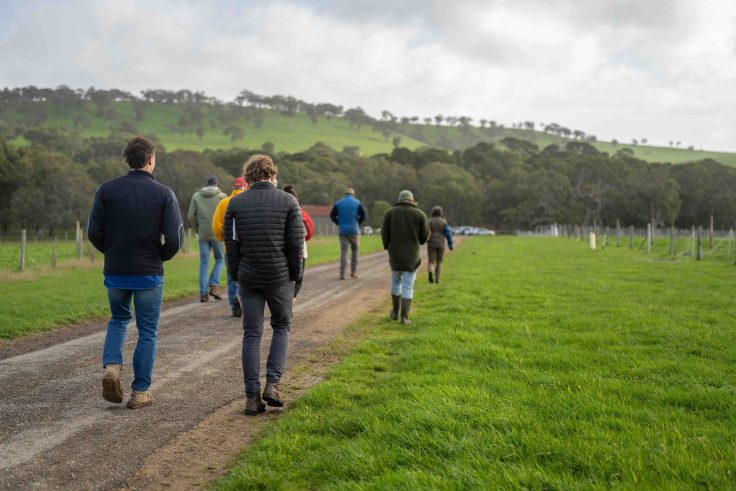
A study shows that rural residents of the European Union feel invisible to the very policymakers charged with representing their interests. Harvard Sociologist Michèle Lamont developed the concept of recognition gaps to help. “It’s not only about distribution of resources,” she says. “It’s also about how people create their identity, how they make sense of their place in the world.”
Rural Europe needs a spotlightCreating transparency in Moldova
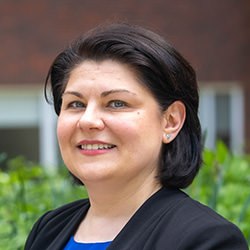
Former Moldovan Prime Minister and Harvard alum Natalia Gavrilița made significant strides against corruption and toward transparency in her country.
Exploring shared space in Albania
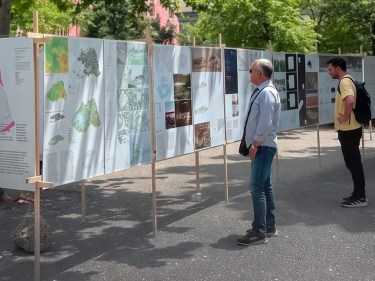
Harvard students designed an outdoor exhibition to explore Albania’s history of religious pluralism and reimagine conventional religious spaces.
Helping to digitize Greece
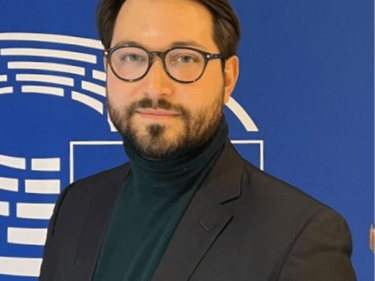
Harvard alum Yiannis Korkovelos explores how a digital transformation of his home country’s government could bring about efficiency, transparency, and trust.
Highlighting overlooked communities in Switzerland
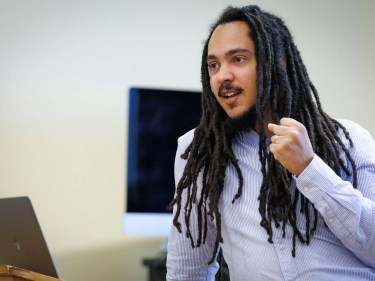
In his book, “Sounds of Black Switzerland,” Assistant Professor Jessie Cox addresses the dynamics of race in a place where it is rarely discussed.
You may also like