Chronic disease

Carole Mitnick
As a professor of global health and social medicine at Harvard Medical School and the research director of endTB, Carole has played a crucial role in creating new tuberculosis treatment regimens, developing implementation plans, and building local know-how to try to eliminate the chronic infection globally.
Acute research for chronic conditions

Reducing avoidable deaths from chronic disease leads to “substantial” economic savings
A Harvard study found that the economic value of reducing avoidable deaths from cardiovascular disease alone would be between 2 and 8% of annual income in 2019 in any region of the world.
Reducing avoidable deaths from chronic disease leads to “substantial” economic savings- Chronic heart disease
American heart health is worsening
In the U.S., progress in cardiovascular health has largely stalled out and in some ways worsened—even as increasingly effective treatments and interventions come to market.

- Chronic pain
The connection between sleep and pain
A newly identified chemical link between chronic pain and sleep loss could inform new treatments.

- Chronic Lung Disease
Vaping can lead to restricted airways and scarred lung tissue
A Harvard team found damage in the small airways of vapers, similar to the lung damage typically seen in soldiers who had inhaled mustard gas.

- Chronic inflammation
Working out activates inflammation-fighting T cells
A Harvard study demonstrated that the immune system exerts powerful effects inside the muscle during exercise.

A body of research
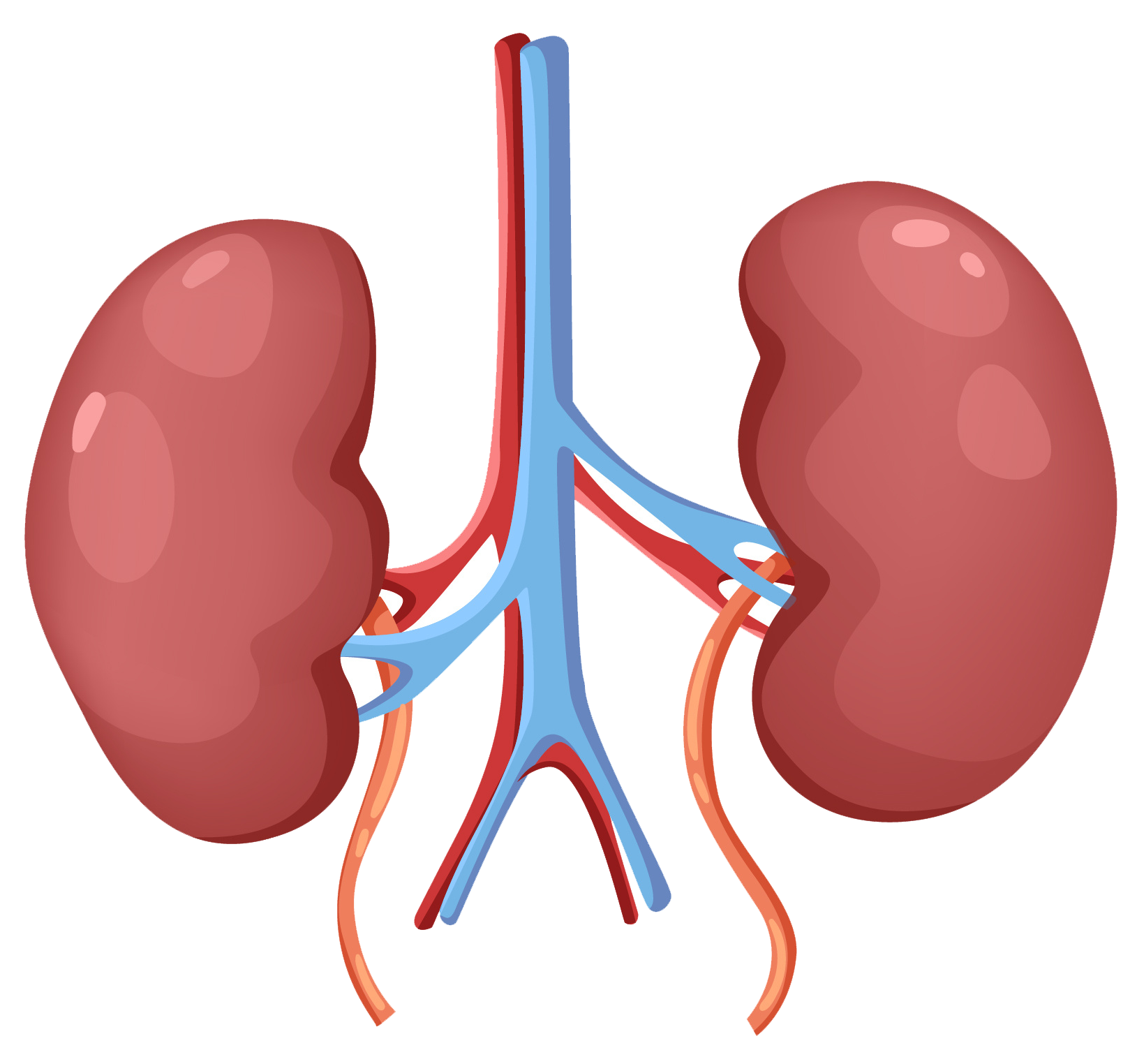
Kidneys
A newly launched startup is building upon innovations developed at Harvard to engineer functional kidney tissue for renal repair and replacement therapy.
Pancreas
Harvard Professor Doug Melton and his team are testing a new treatment that could make insulin shots obsolete.

Heart
Harvard research, which offers clues for treatment and prevention of aortic aneurysms, may also address hypertension, which affects nearly half of all adults in the U.S.
Lungs
Harvard research found for the first time common genetic factors shared between obesity and certain types of asthma.

Brain
CTE is not just caused by repeated head impact but is also linked to DNA damage similar to that seen in Alzheimer’s disease.
Ears
Harvard researchers developed a way to objectively measure tinnitus, which may help in developing future therapies.
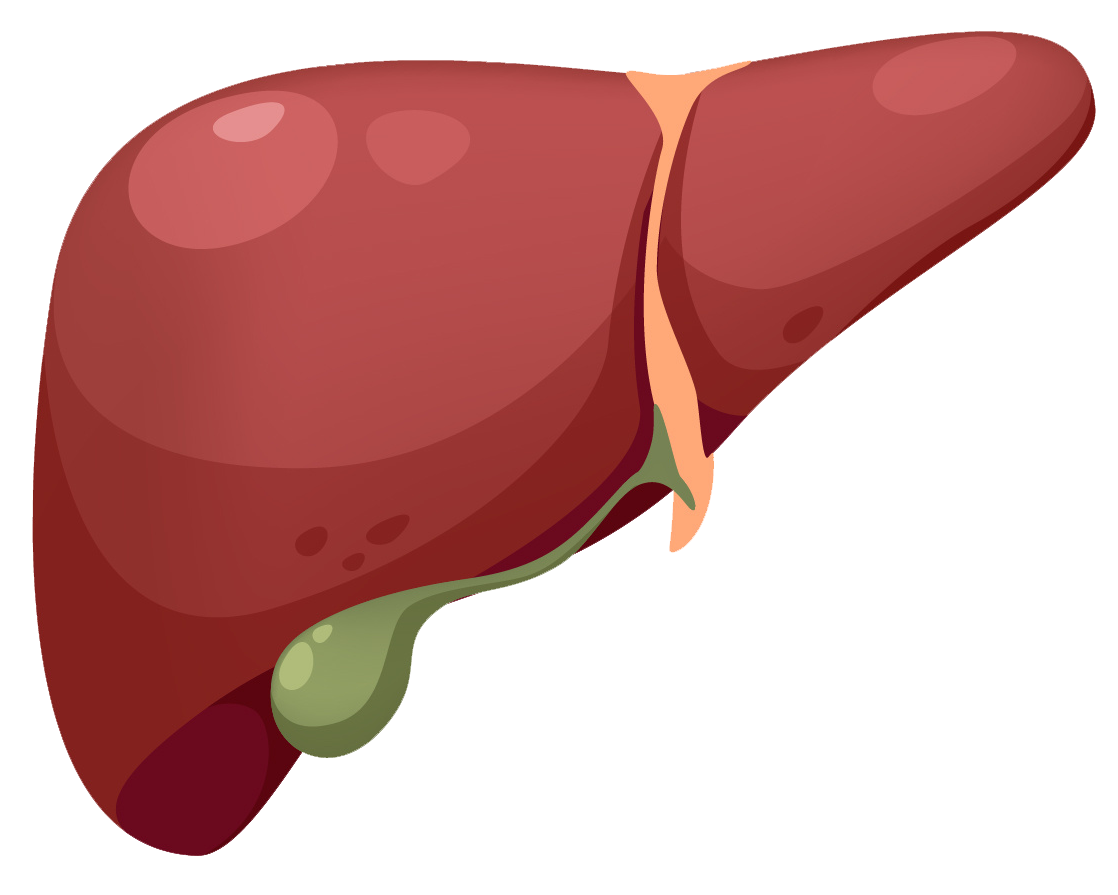
Liver
Harvard researchers have found an increased risk of liver cancer and chronic liver disease mortality among women who consume sugar-sweetened beverages on a daily basis.
Nervous system
Harvard experts are finding novel ways to identify people at high risk of developing clinical Parkinson’s disease later in life.

Uterus
A team at Harvard identified an unexpected avenue toward alleviating the symptoms of endometriosis, which has proven difficult to treat effectively.
You may also like