Quantum Everything
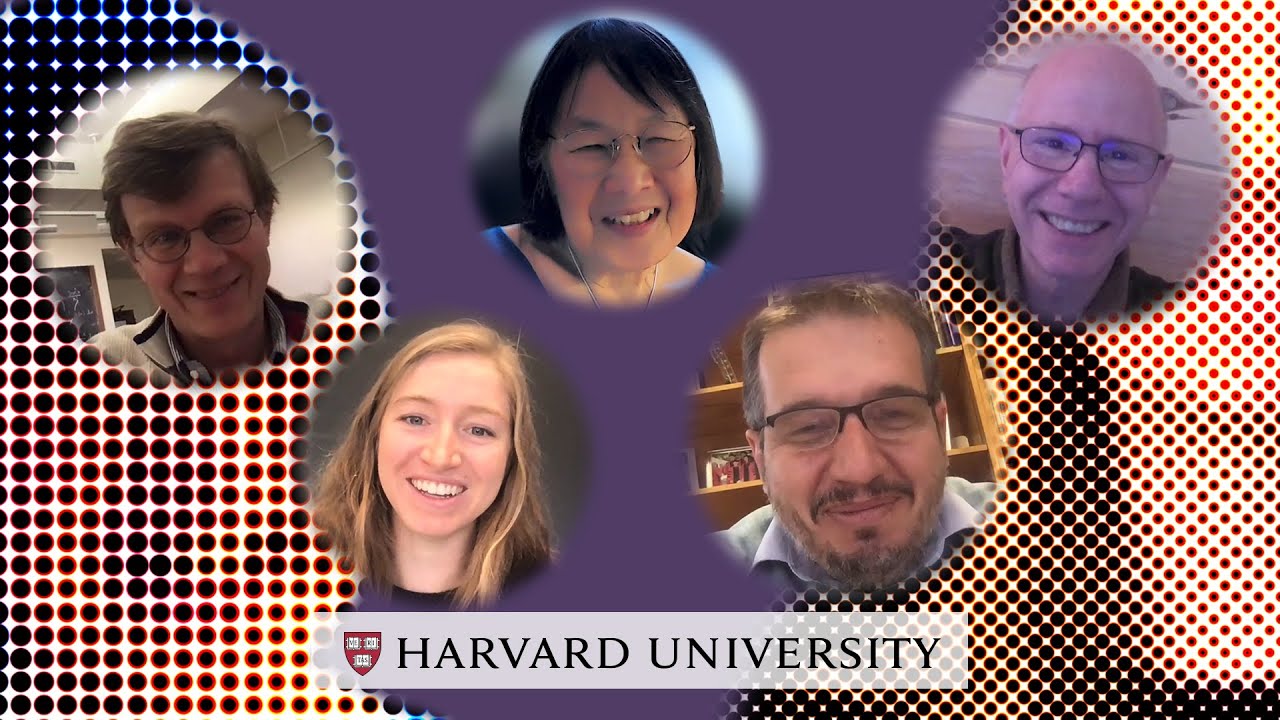
What is quantum physics?
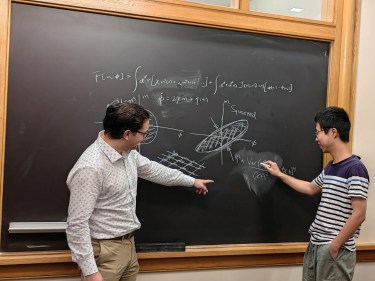
Students and faculty from across Harvard explain the basics of quantum physics and why it’s so important.
More powerful computers
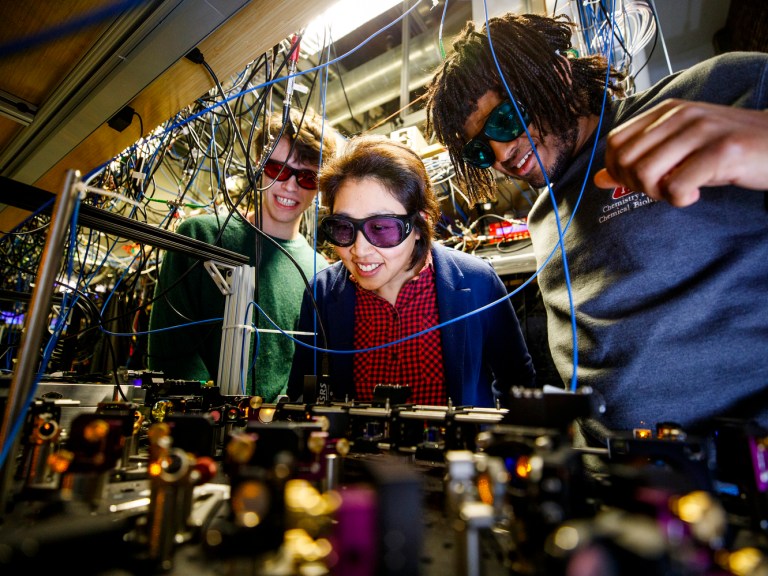
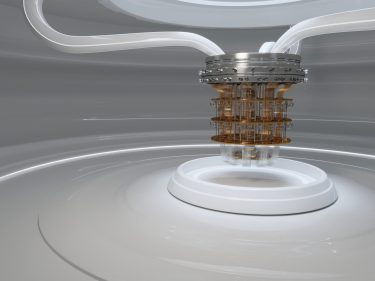
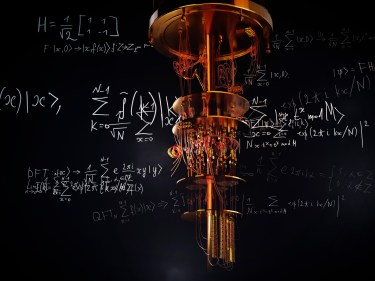
Quantum computers have the potential to revolutionize our understanding of the world around us. The technology could enable the rapid design and development of life-saving drugs, clean energy, and optimized commerce.
Harvard scientists are working on detecting and removing errors in quantum computers, improving the accuracy of the calculations quantum computers perform, and utilizing light to carry quantum information.
Faster, safer internet
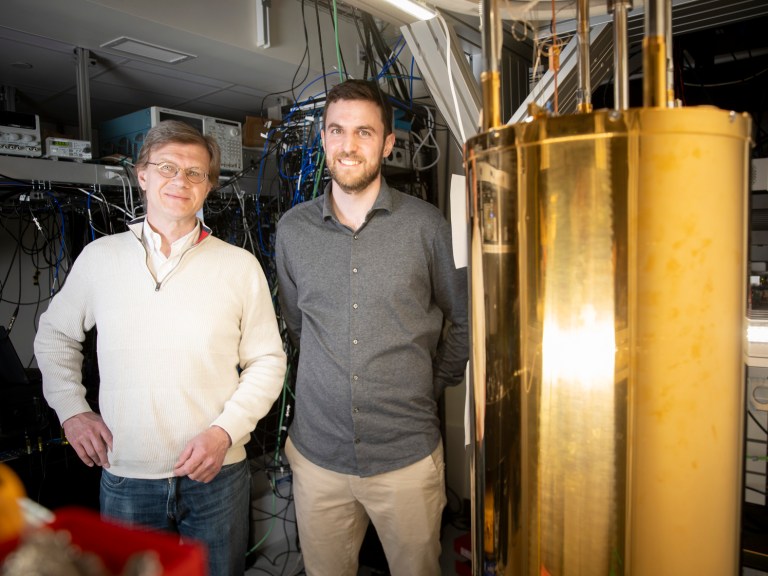
Harvard scientists established the practical makings of the first quantum internet by entangling two quantum memory nodes separated by an optical fiber link. This work, combined with electro-optic modulators and photon routers, points the way to a next-generation quantum internet capable of sending highly complex, hacker-proof information around the world at ultra-fast speeds.

Stronger cybersecurity
As quantum computers become more powerful, they threaten to undermine current cryptographic defenses. Quantum-resistant cybersecurity is possible, but it still needs time to be developed and tested.

Aaron Day
As a Ph.D. student in applied physics, Aaron’s work revolves around studying spin defects—quantum sources of light—and how they could someday be used within a quantum internet.
The coldest experiment ever
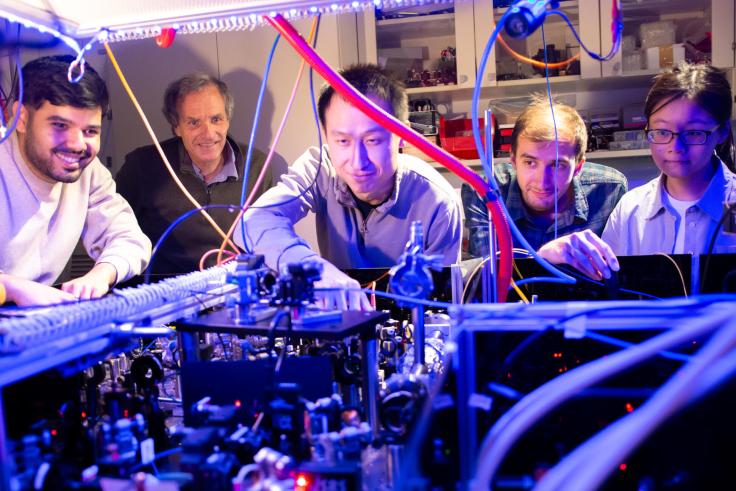
Harvard researchers cooled a Fermi-Hubbard system made of neutral atoms down a hundred billion times below room temperature, colder than ever before, creating what Greiner calls “the most pristine artificial quantum system ever.” In so doing, the researchers have made it possible to simulate materials in ways that normal computers can’t.
The coldest experiment ever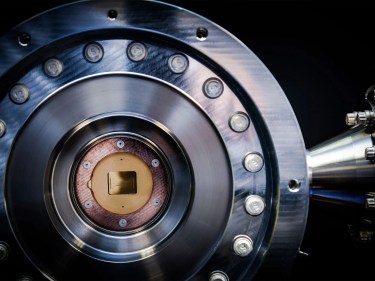
The ethical and legal implications of quantum technologies in medicine
Using quantum properties to measure the smallest things
International cooperation and regulation around quantum computing
How quantum computing will transform the design of data centers
The unexpected kinship between quantum physics and theology