Breakthroughs of 2025
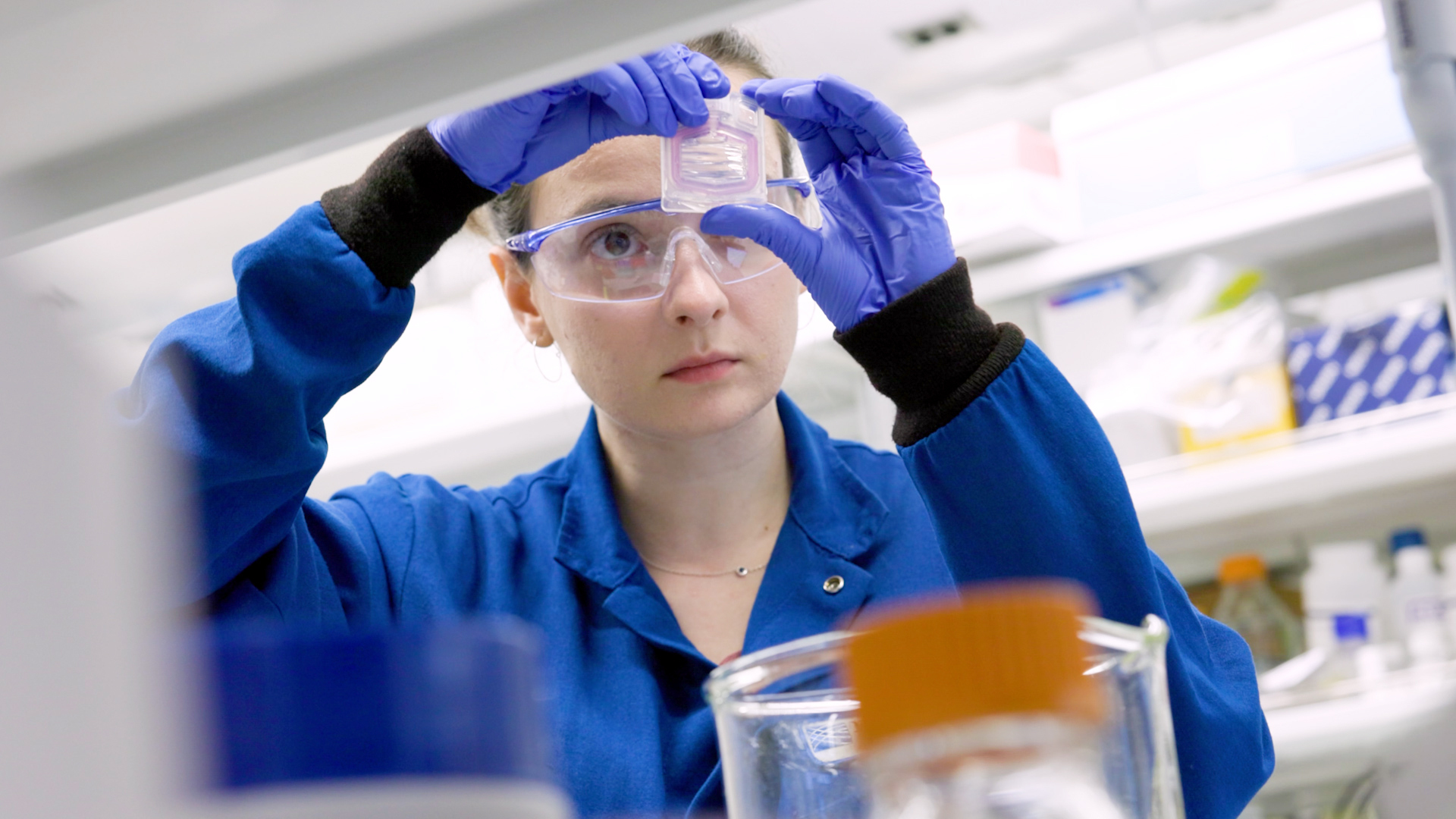
Harvard scientists published thousands of studies in 2025, advancing knowledge and discovering solutions in a time when research funding is uncertain.
An extraordinary year
This year, the Harvard community has had research breakthroughs in genetics, artificial intelligence, disease treatments, and so much more.
Rewriting genetic destiny
David Liu received the 2025 Breakthrough Prize in Life Sciences for developing a revolutionary gene-editing platform that precisely corrects genetic mutations.
Ancient DNA solves Uralic languages’ origins
Harvard researchers put Europe’s Uralic family of languages — which includes Hungarian, Finnish, and Estonian — a lot farther east than many thought.
Speeding up rare disease diagnosis with AI
PopEVE, an AI model developed by the Debora Marks’ Lab, can identify the genetic variants most likely to cause severe disease and death.
A quantum leap
Mikhail Lukin of the Quantum Science and Engineering Initiative, believes the core elements for building quantum computers are falling into place.
Three ways to treat drug-resistant tuberculosis
Carole Mitnick, the co-principal investigator, said the new approaches, which include recently discovered drugs, give new options for shorter, personalized treatment and are cleared for use for more people than ever.
Tracking climate change through nature’s “breaths”
Atmospheric chemist Steven Wofsy’s new research tower monitors Harvard Forest’s carbon intake and outtake, continuing data collection that he started in 1989.
Moving medicine forward
Harvard has been making breakthroughs in health and medicine since founding Harvard Medical School in 1782.
- Oncology
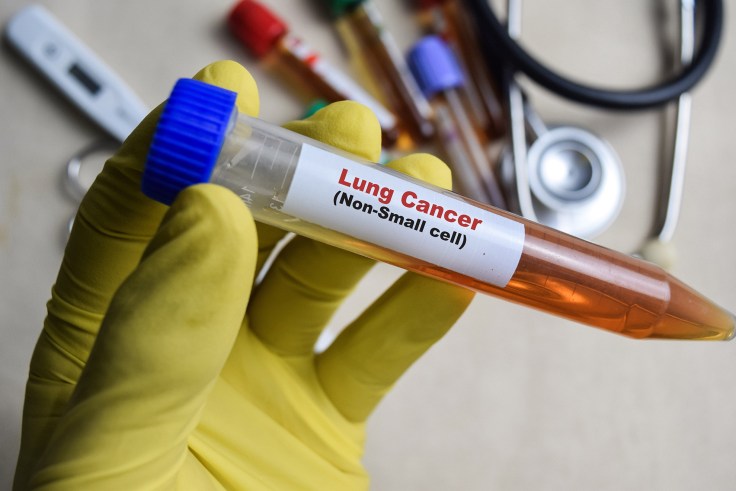
New hope for a hard-to-treat lung cancer
Sevabertinib, created by the Broad-Bayer oncology research alliance, is a new oral treatment option for a type of non-small-cell lung cancer, the most common type of lung cancer.
New hope for a hard-to-treat lung cancer- immunology
Researchers identify special class of cells that safeguard immunity and memory
- pharmacology
GLP-1 medications may significantly reduce the risk of hospitalization due to heart failure
- Psychiatry
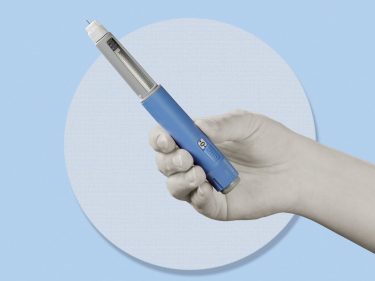
A non-drug smart patch demonstrated a reduction in cravings for alcohol and drugs
- Developmental Biology
Researchers uncover key cell signal that triggers tissue response to amino acid insufficiency
- cardiology
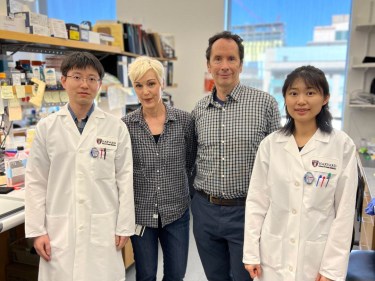
Harvard scientists offer clues into how to treat deadly aortic aneurysms and hypertension
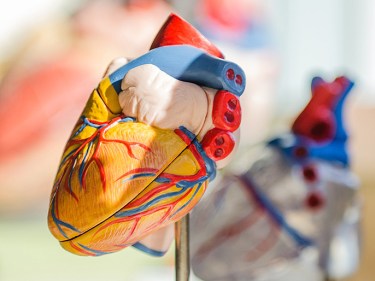
Getting the science right
Advances in science and technology are improving not just our lives, but the world around us.
How research becomes breakthroughs
At Harvard, students, faculty, and fellows come together to turn ideas into life-changing innovations.
The need for speed
Harvard’s School of Engineering researchers have developed a material that can dimple like a golf ball and change its aerodynamic properties on demand.
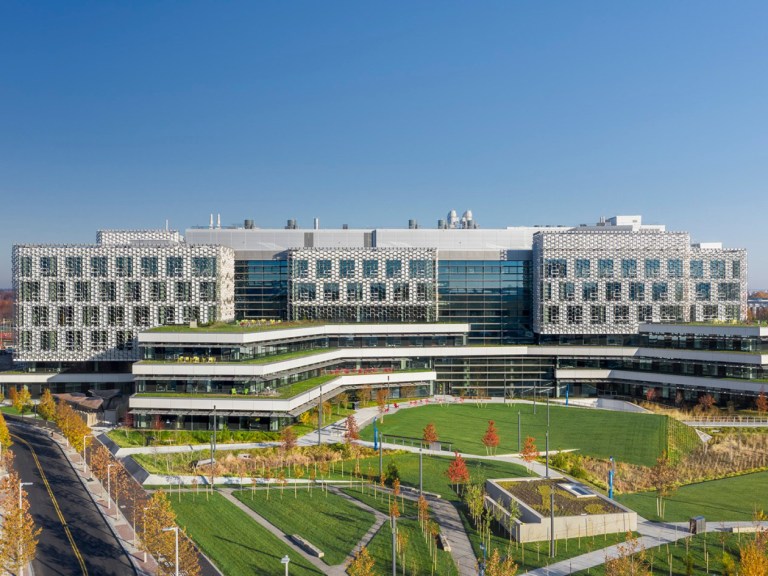
High-tech topography tables that utilize GIS data and computational modeling help architects understand and design for complex climate challenges.
Harvard scientists have developed an energy-saving membrane, similar to a coffee filter, capable of separating water vapor directly from the air.
Rowland Institute researchers have pioneered a new way to achieve the coolest possible temperatures to image materials at a sub-atomic scale.
Life-changing innovations
At Harvard, we take breakthroughs from the lab and translate them into real-world solutions that improve the lives of people around the world.
Moving high‑impact tech to market
Three research projects that address urgent societal challenges—cardiovascular health, rising data demands, and the future of quantum computation—have won Grid Accelerator awards.
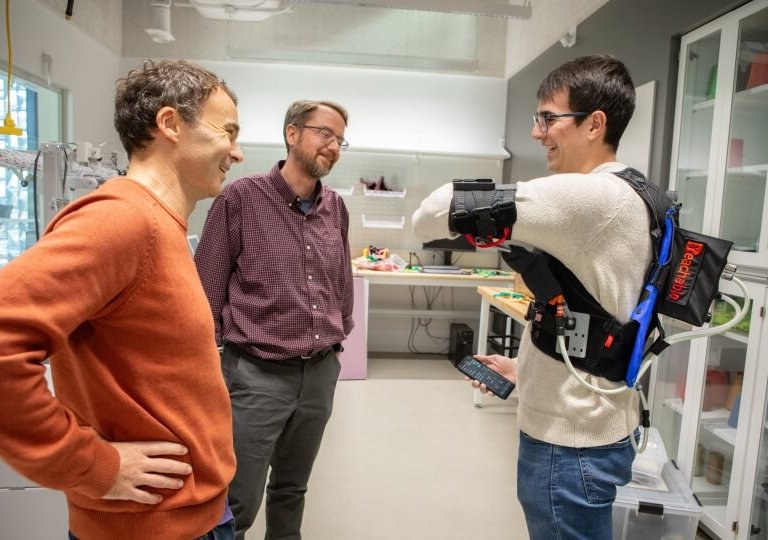
Wearable robotic device for stroke survivors improves mobility
This soft, wearable robotic device developed at the Harvard Move Lab is helping stroke survivors and people with other movement impairments regain mobility and independence.
Pushing scholarship ahead
Throughout the humanities, breakthroughs and discoveries change the way we see the world and inform the way we improve it.
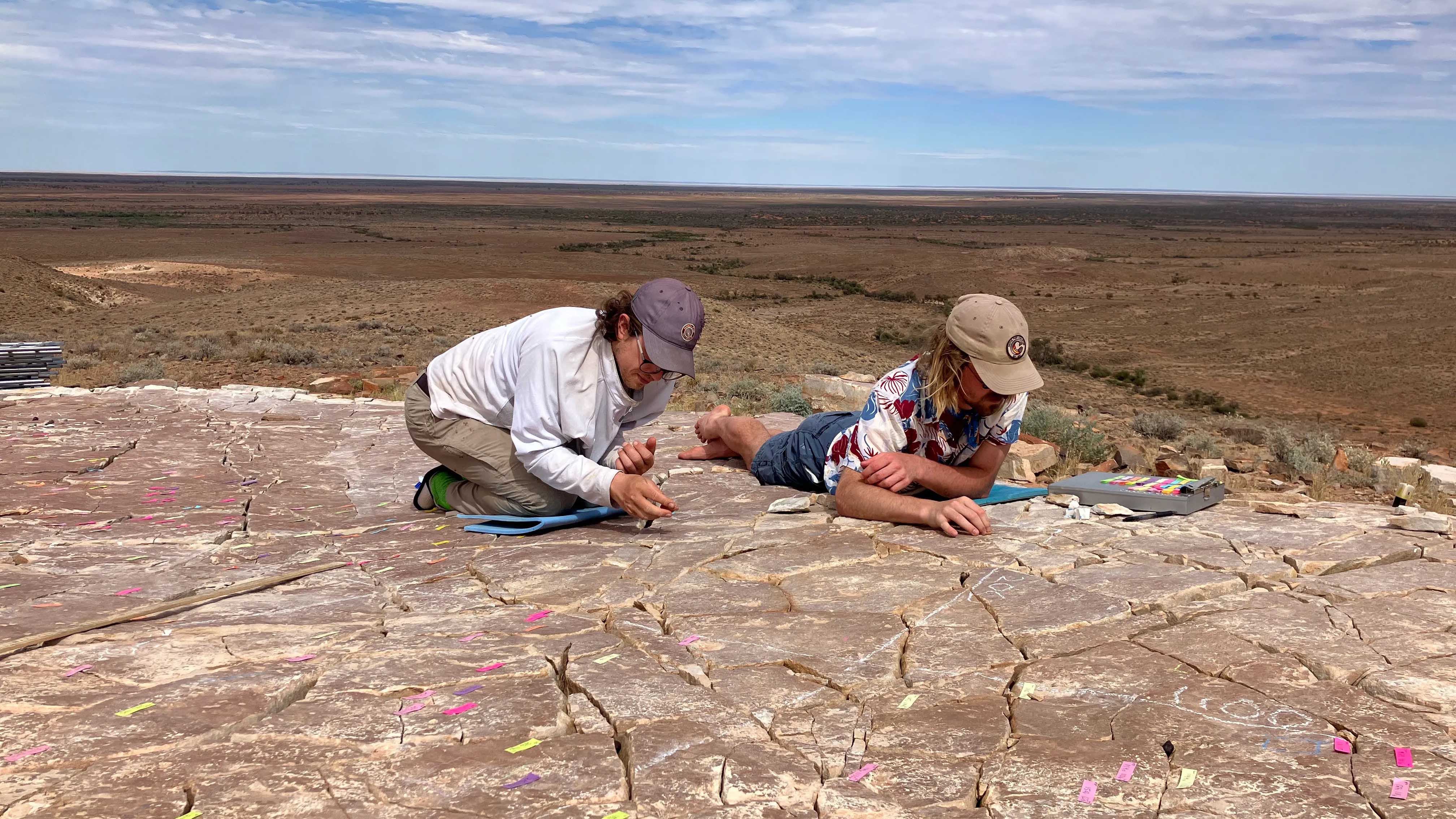
Understanding the Earth
Through research and archeology, Harvard scientists got one step closer to understanding the origins of life and the early history of Earth’s largest animal group.

Exploring the stars
Research papers from Harvard astronomers explored new evidence of the closest known supermassive black hole and a cosmic explosion that could be a rare flare from a magnetar—one of the most mysterious objects in the universe.
Crunching the numbers
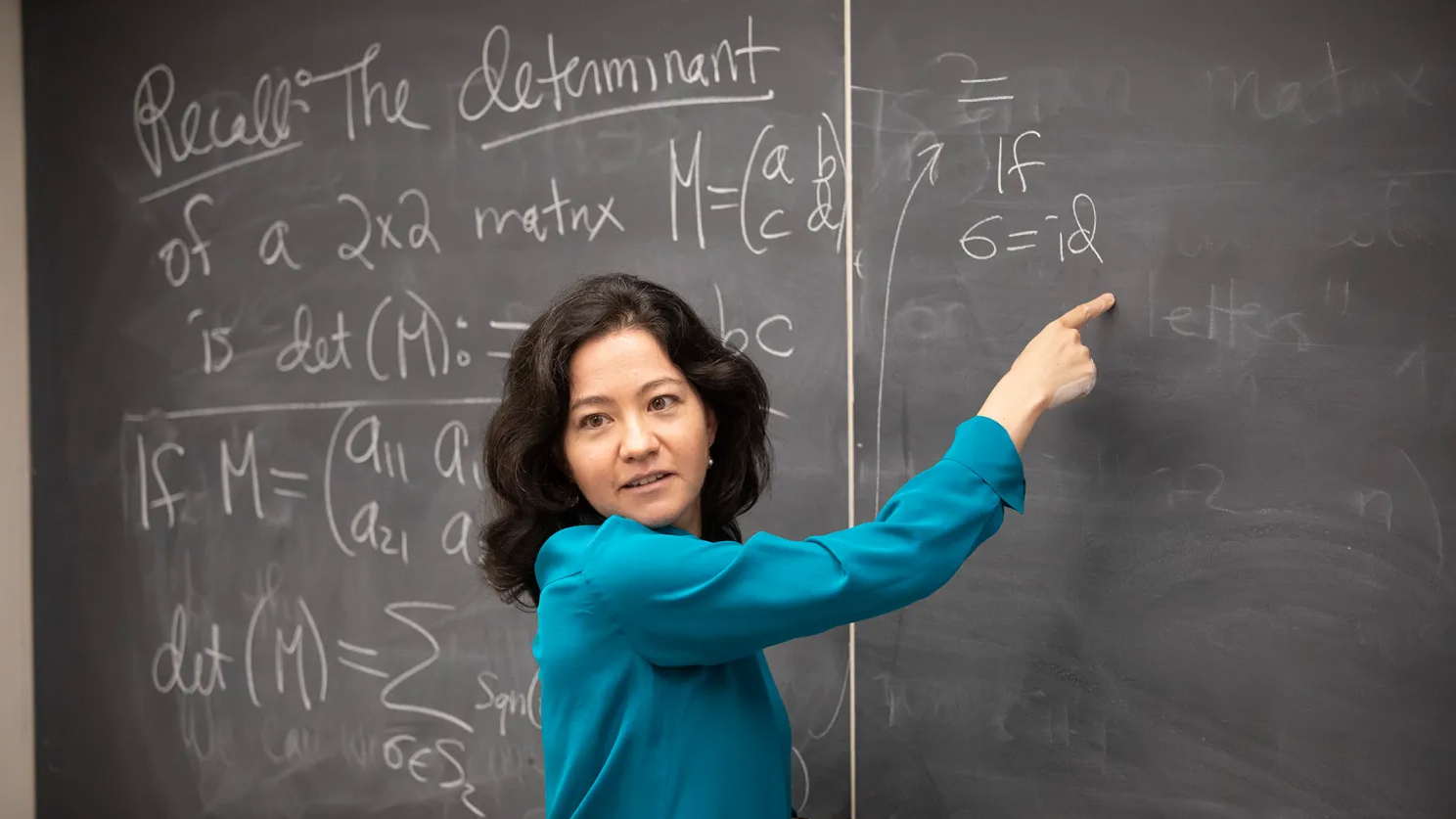
Harvard’s Lauren Williams won a MacArthur ‘genius grant’ for her theoretical breakthroughs understanding phenomena such as tsunamis and traffic.

Protecting the planet
Harvard researchers are learning how to capture emissions from fuels and create fuels from renewable sources, like city waste.
The next generation
Harvard’s strong history of mentorship is guiding this year’s students to uncovering next year’s breakthroughs.
Olúmídé Fagboyegun
As part of a mentee-mentor pair, Olúmídé was awarded a fellowship to support his research into the substances that surround and interact with cells in the cortex of the brain.
Elizabeth Thom
Elizabeth’s research identifies trends in political participation at the local level in Central Appalachia, linking political engagement to the impact of government social programs.
Jett Crowdis
Jett, a Medical School graduate, found his calling to study molecular biology in a connection forged while serving as camp counselor.
YOU MAY ALSO LIKE